3 Week Old Wake Windows: 30 to 60 Min + Next Sleep
Oleh Onysko October 16, 2026 11 min read
Nap times for your 3 week old, worked out from their wake-up time.
Get my nap plan
In this article
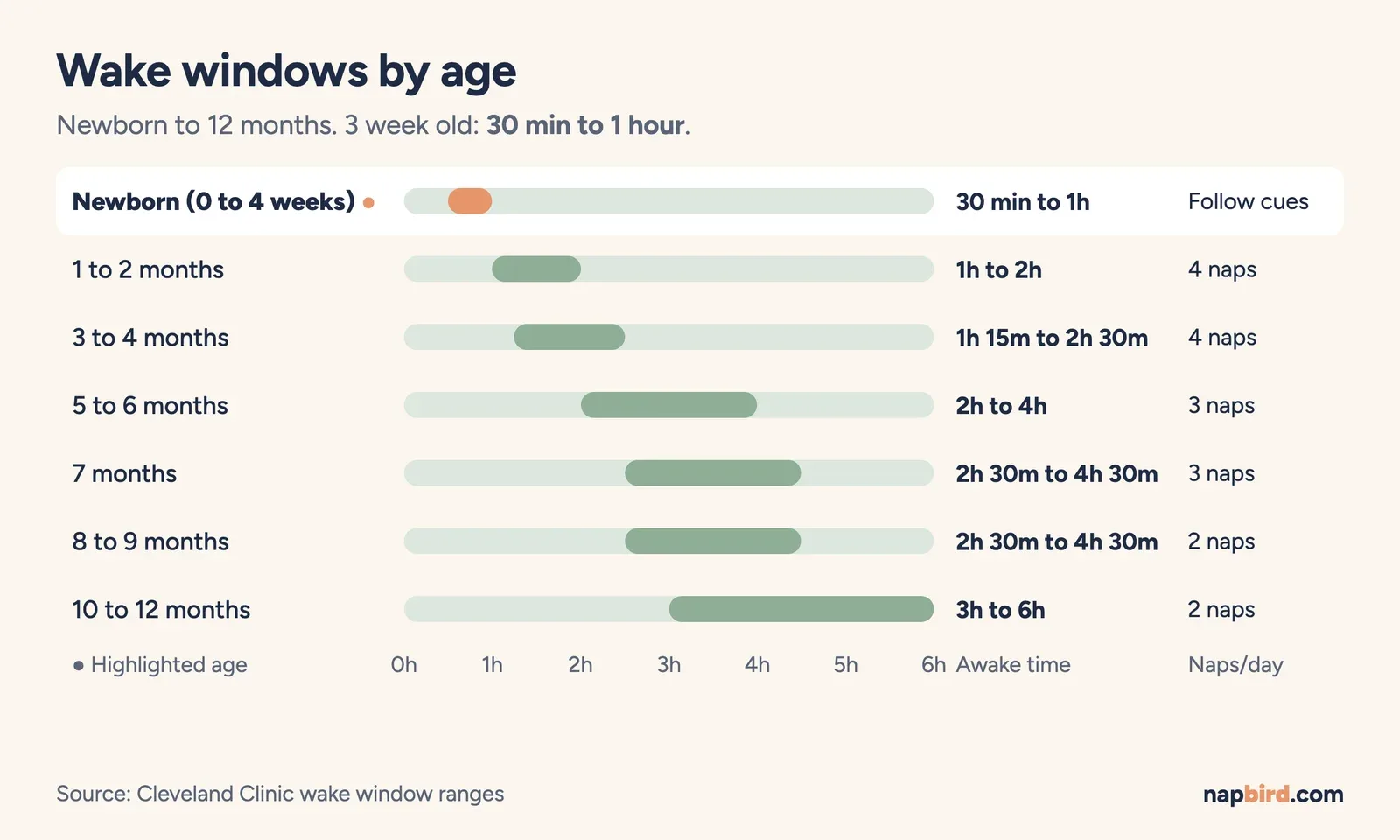
3 week old wake windows are 30 min to 1 hour. Most of that time goes to feeding, so the next sleep usually comes soon after the feed winds down and your baby's attention starts to drift.
The trap at 3 weeks is the doze in the middle of a feed. Your baby's eyes close for a few minutes on the breast or bottle, then pop open again, and it feels like a fresh start. It usually is not. A short pause while feeding is not a nap, so the window keeps running from the original wake. Treat that flicker of eyes as the clock resetting and you end up adding a whole new awake stretch on top of a baby who is already near the end of one.
| 3 week old at a glance | |
|---|---|
| Wake window | 30 min to 1 hour (Cleveland Clinic) |
| Naps per day | Follow cues |
| Usual nap length | Irregular; some short, some long |
| Total sleep in 24 h | No AASM target under 4 months |
| Sample bedtime (7:00 am wake) | Not set yet; plan the next sleep only |
3 week old nap calculator
Wake window calculator · dates stay in your browser
Free · No account needed
3 week old example · 7:00 am wake-up
0 months · 30 min to 1 hr awake
Wake
7:00 am
Next sleep
7:30 to 8:00 am
Newborns sleep on and off around the clock. Feed on demand and watch for sleepy cues.
Example nap lengths adjust within 30-120 min to fit the day. Wake ranges: Cleveland Clinic.
Get my nap planA 3 week old day: feed, wake, sleep
At 3 weeks there is still no full-day schedule worth writing down. The useful unit is one loop: wake, feed, change, a few calm minutes, then sleep. Here is what the next sleep looks like after a 7:00 am start.
| Time | What | Awake before it |
|---|---|---|
| 7:00 am | Wake up | Start of the stretch |
| 7:45 am | Next sleep | 45 min awake |
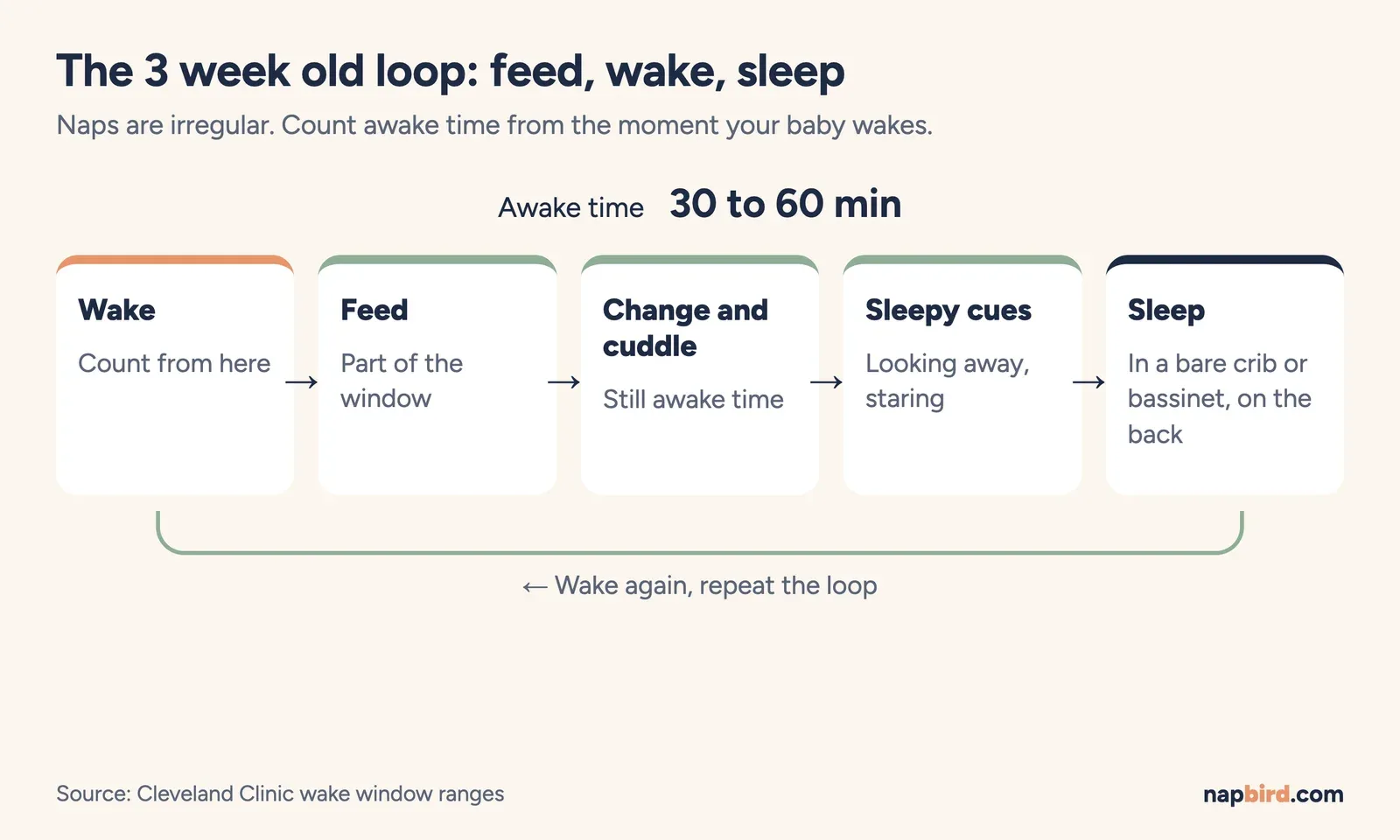
That loop repeats through the day and night at uneven intervals. Early morning may look a lot like late evening, and that is expected. Count each loop from the real wake, not from 7:00 am, and the sample keeps working no matter when your day actually started.
How many naps does a 3 week old need?
A 3 week old does not need a set number of naps; follow cues and feeds instead. Naps at this age are irregular, and the calculator shows the next sleep rather than a whole day for exactly that reason.
A more useful goal than a nap count is being ready for each sleepy spell. Have the bassinet made up before you start feeding. Keep burp cloths, a spare outfit and water for yourself within reach. When the sleepy look arrives, you can go straight to settling instead of hunting for things while the window closes.
Day and night confusion is common now too. Open the curtains in the morning and let ordinary life carry on around daytime wakings. At night, use just enough light to feed and change safely, and keep talk soft and short.
What does a good awake stretch look like at 3 weeks?
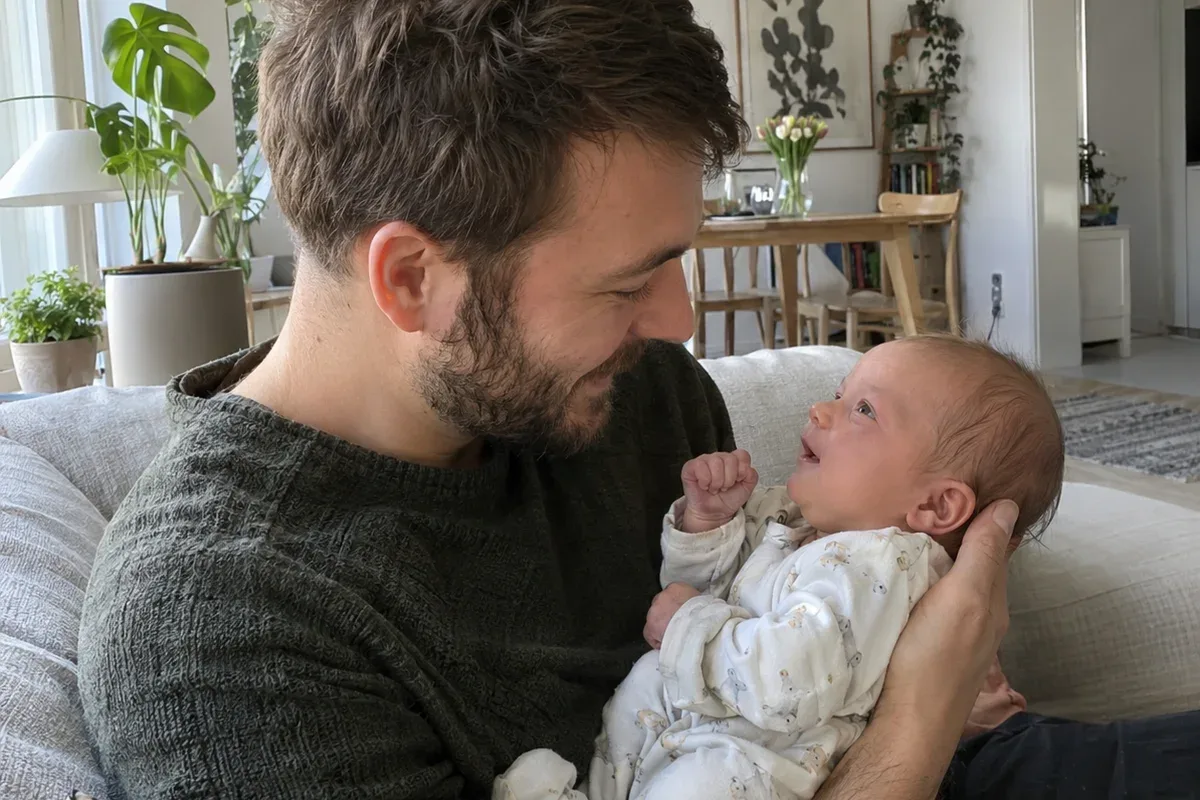
A good 3 week awake stretch is short, slow and mostly about the basics. Some wakings leave room for your baby to look at your face for a few minutes. Others are filled by the feed alone, and that waking is complete.
When there is a calm, alert window, keep it simple: hold your baby upright on your chest after the feed, talk softly, let them track your face as you move a little to one side. Skin to skin counts. A gentle look out of a bright window counts. Bath time, visitors and a trip to the store all count too, which is why a busy day can leave your baby ready for sleep much sooner than the clock suggests.
3 week old sleepy cues: early and late
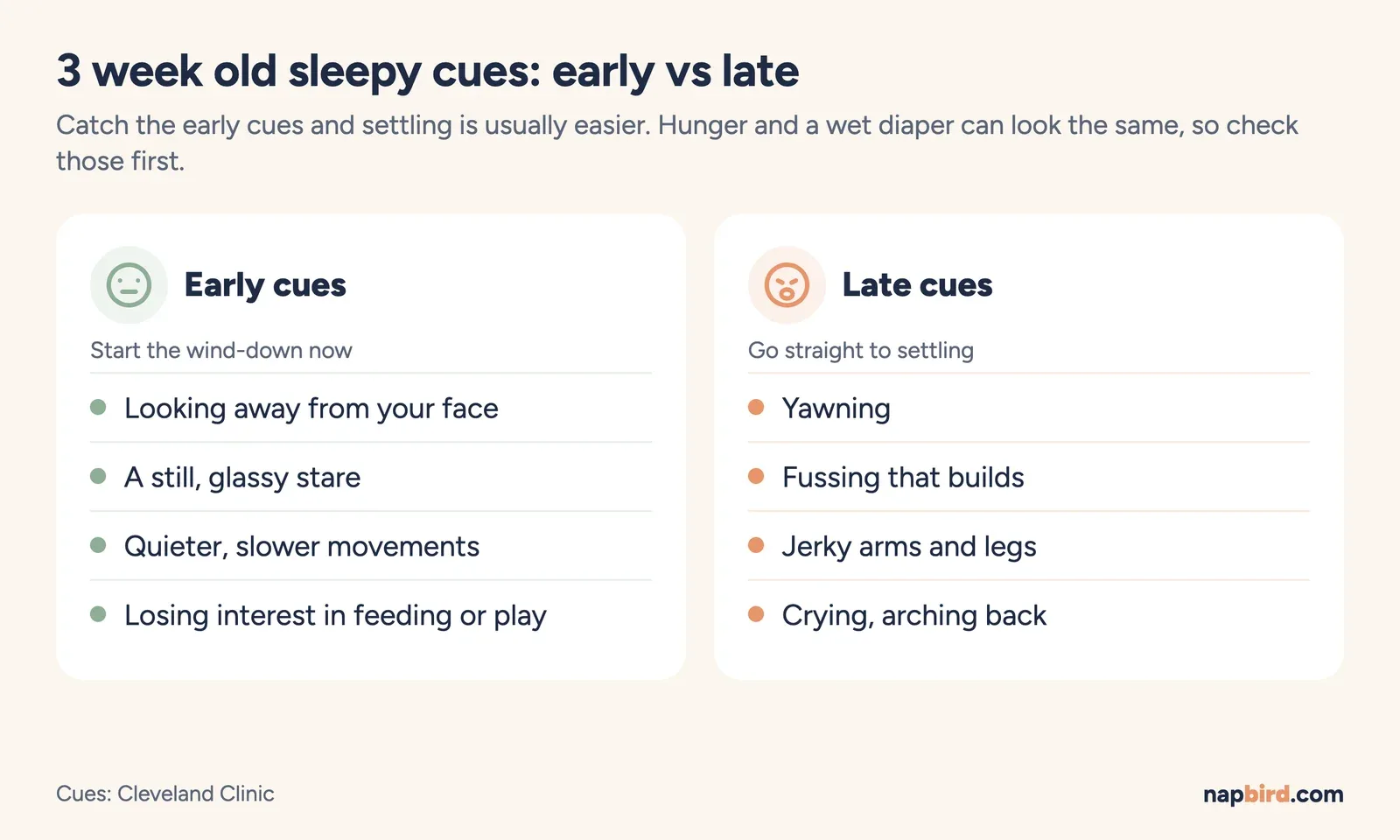
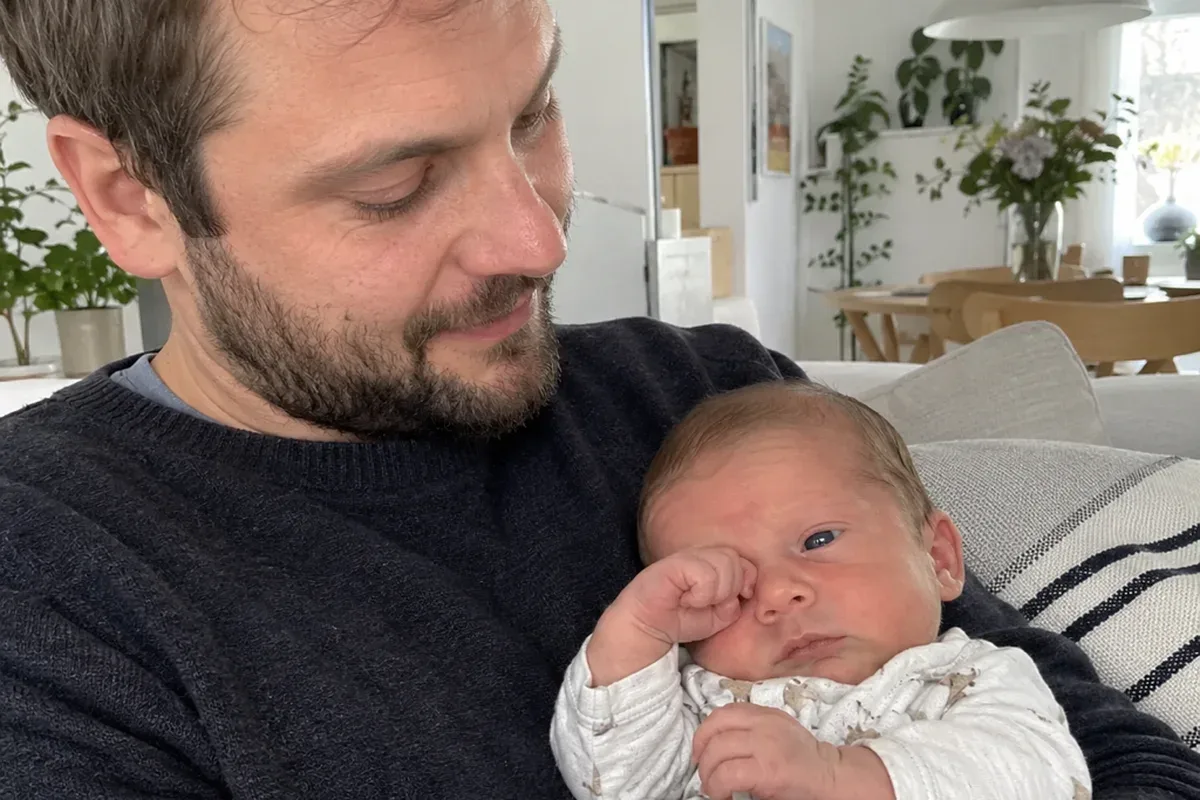
At 3 weeks the earliest sleepy cue is attention fading: your baby stops looking at you, stares quietly into the distance or turns their head away. Fussing, arching and crying are late cues, and they make settling harder.
| Early cue | What to do |
|---|---|
| Loses interest in your voice | Stop talking to them and lower the lights |
| Quiet, glassy stare | Skip the next activity and start settling |
| Yawn during a cuddle | Move toward the bassinet now |
| Fussing after a busy visit | Take them somewhere quiet and check feed, diaper and comfort |
If fussing comes first, start with the basics: a feed, a clean diaper, a more comfortable position. You can soothe and reassess while holding your baby.
How to use 3 week old wake windows
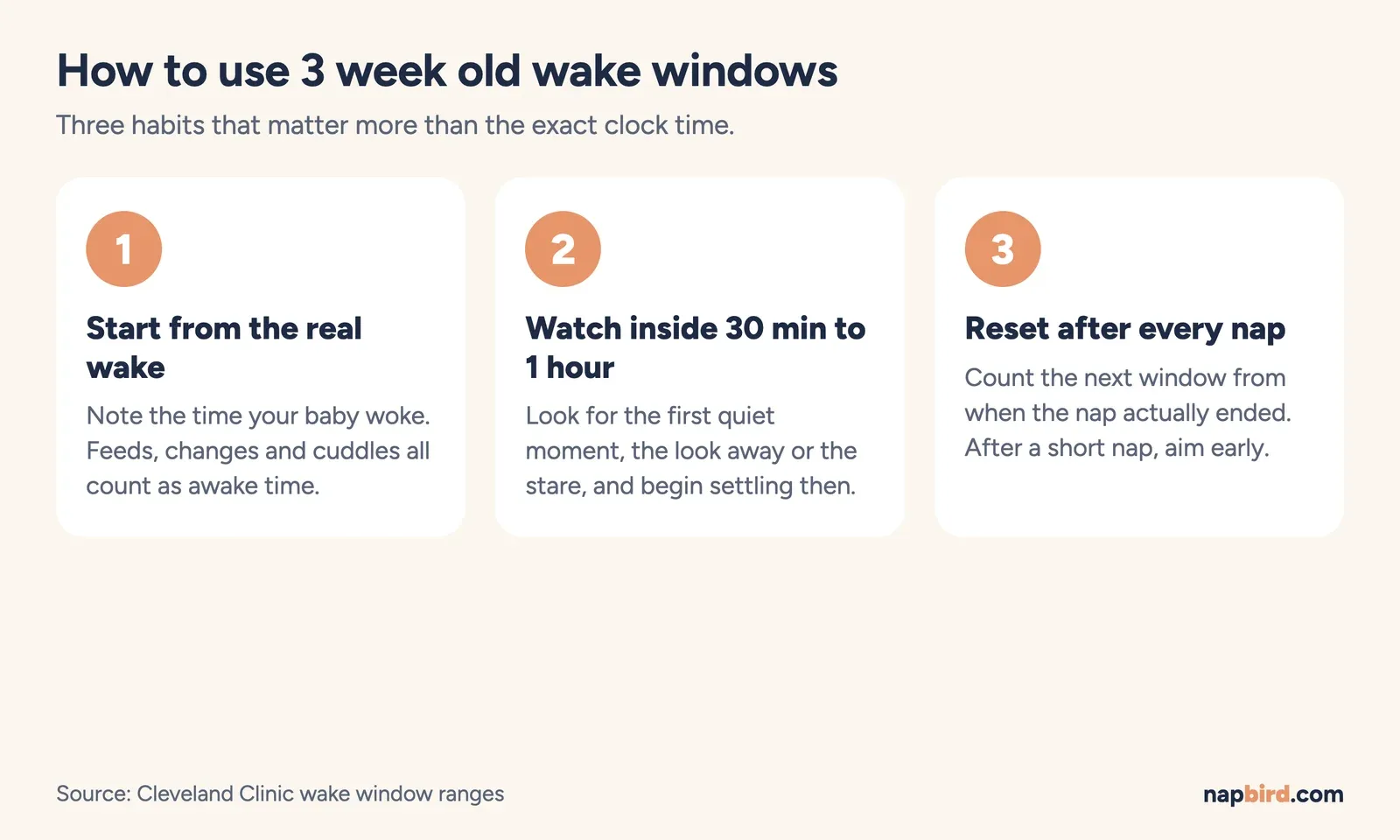
- Start from the real wake
Write down or remember when your baby first opened their eyes. A doze during the feed does not change that time.
- Watch for the quiet moment inside 30 min to 1 hour
Begin watching for a glassy stare or a look away from about 30 minutes. If it comes earlier, follow it.
- Count the next window from the nap that actually happened
After a real sleep, the next window starts when your baby wakes from it. A short nap usually means looking for cues near the 30 minute end.
- Wind down before fussing builds
Start your quiet routine while your baby is still calm. A short wind-down at the first cue beats a long one after crying starts.
What if the day goes off plan?
Most days at 3 weeks will not match any plan, and that is fine. Use this table to pick the next move, then go back to watching cues.
| Situation | What to try for the next window |
|---|---|
| Dozed during a feed, then woke | Keep counting from the original wake and settle at the first cue |
| Short nap under 30 min | Count from the real wake and expect tiredness near 30 min |
| Long nap | Follow your care team's feeding plan, then count from the wake |
| Fussy evening with no clear pattern | Feed, comfort and a dim room; take the evening as it comes |
| Born 3+ weeks early | Go by adjusted age from the due date, which may mean the newborn guide fits better |
| Unwell or a hard day | Comfort and feed freely; call your pediatrician with any worry |
The dozing row is the one that changes most days. If your baby fell asleep on the bottle for a few minutes, look at how they seem when they stir. Heavy eyes and a slow blink mean you are close to the end of the window, not the start.
A fussy evening can feel like proof that you missed every nap. Usually it is just the evening. Begin with feeding and comfort, keep the room quiet, and let someone else handle dinner and dishes while you settle the baby.
A wind-down that works at 3 weeks
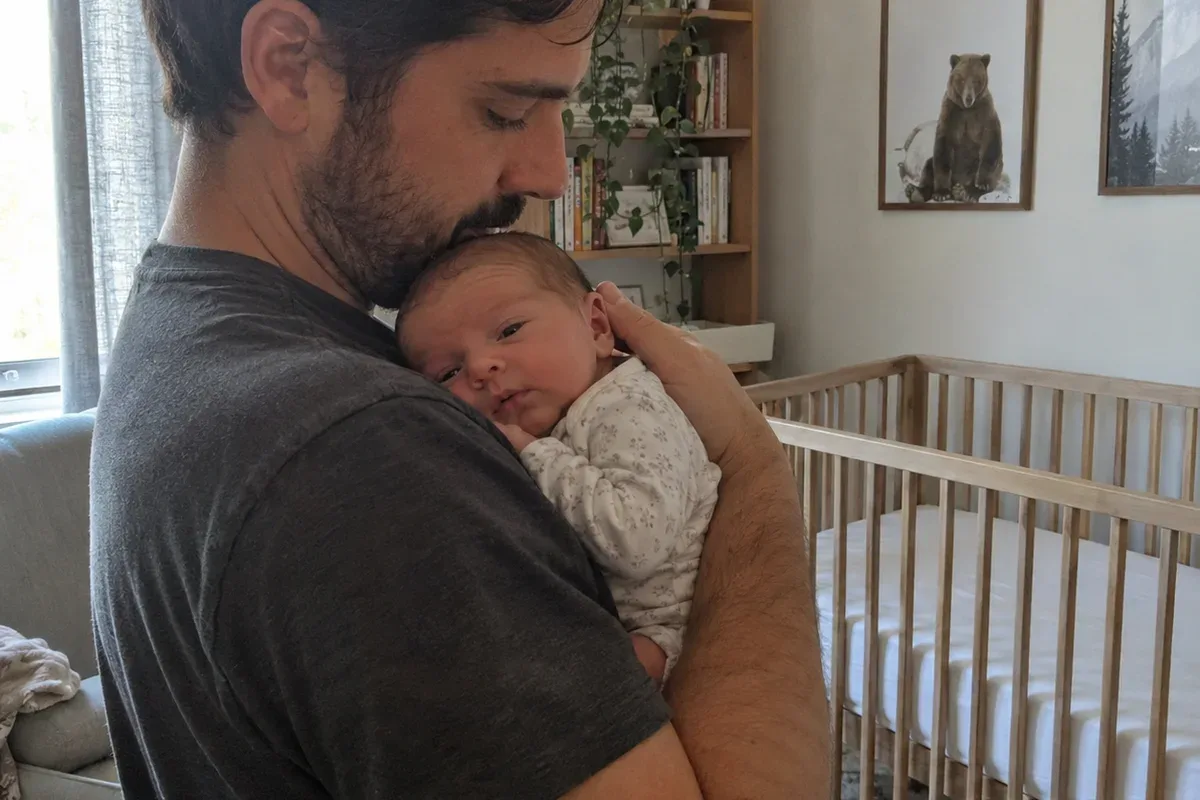
At 3 weeks the best wind-down is the one anyone in the house can copy. Choose three or four steps and repeat them at every sleep, so your baby starts to recognize the order even before they can follow a clock.
- Close the curtains or turn the lights low.
- Change the diaper if needed, then swaddle or zip the sleep sack.
- Hold and sway, using the same short phrase each time, like "sleepy time now".
- Lay your baby on their back in the bassinet.
When another adult takes a turn, describe these steps instead of handing over clock times. That way a grandparent, a partner on night duty or a friend can settle your baby the same way you do.
Common 3 week old wake window mistakes
- Restarting the clock after a feeding doze. A few minutes asleep on the bottle or breast is not a nap; keep counting from the first wake.
- Planning a fixed bedtime. Keep the evening the same loop as the day for now.
- Filling the window after a long feed. If the feed took most of the time, go straight to settling.
- Handing the baby around at the end of a visit. Wrap up visits while your baby is still calm.
- Keeping it all in your head. A quick note of the last wake and feed saves a lot of guessing at night.
Why a chart stops working (and what to do instead)
A wake window chart can tell you 30 min to 1 hour, but it cannot tell you whether that feeding doze counted, or where you are in the window after a short nap. Babies change from week to week, short naps shift the whole afternoon, and at 3am you should not be adding up minutes.
The free calculator above works from today's real wake and gives you the next sleep in one tap. A nap plan adapts that timing as your baby grows, so you are not starting from scratch each week.
What changes next: 3 week old to 1 month old
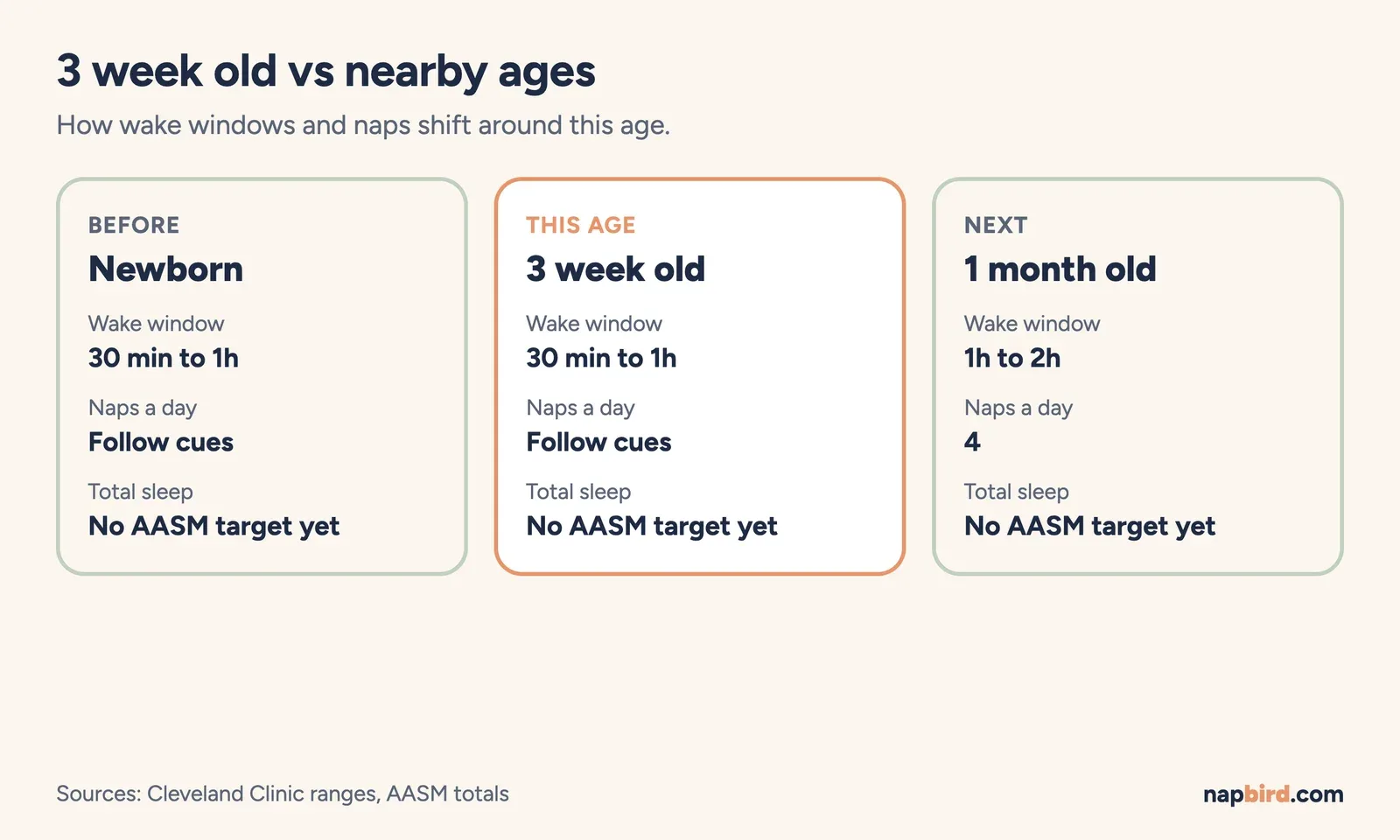
Week 4 still sits in the 30 min to 1 hour band, so if you are reading this for a 4 week old, use the same window and the same cues. Looking back, newborn wake windows cover the very first weeks with the same range. Looking forward, 1 month old wake windows move to 1 to 2 hours with a loose four-nap day as a starting point.
You may notice your baby starting to enjoy short stretches of looking around after some feeds. Enjoy them, but do not stretch toward the longer range early. The more alert phase described in 6 week old wake windows arrives on its own schedule. If you would rather keep paper by the bassinet, the printable wake window chart puts every age on one page.
How do I keep 3 week old naps safe?
Keep every 3 week old nap on the back, alone, in a crib or bassinet with a firm, flat mattress and a fitted sheet only.
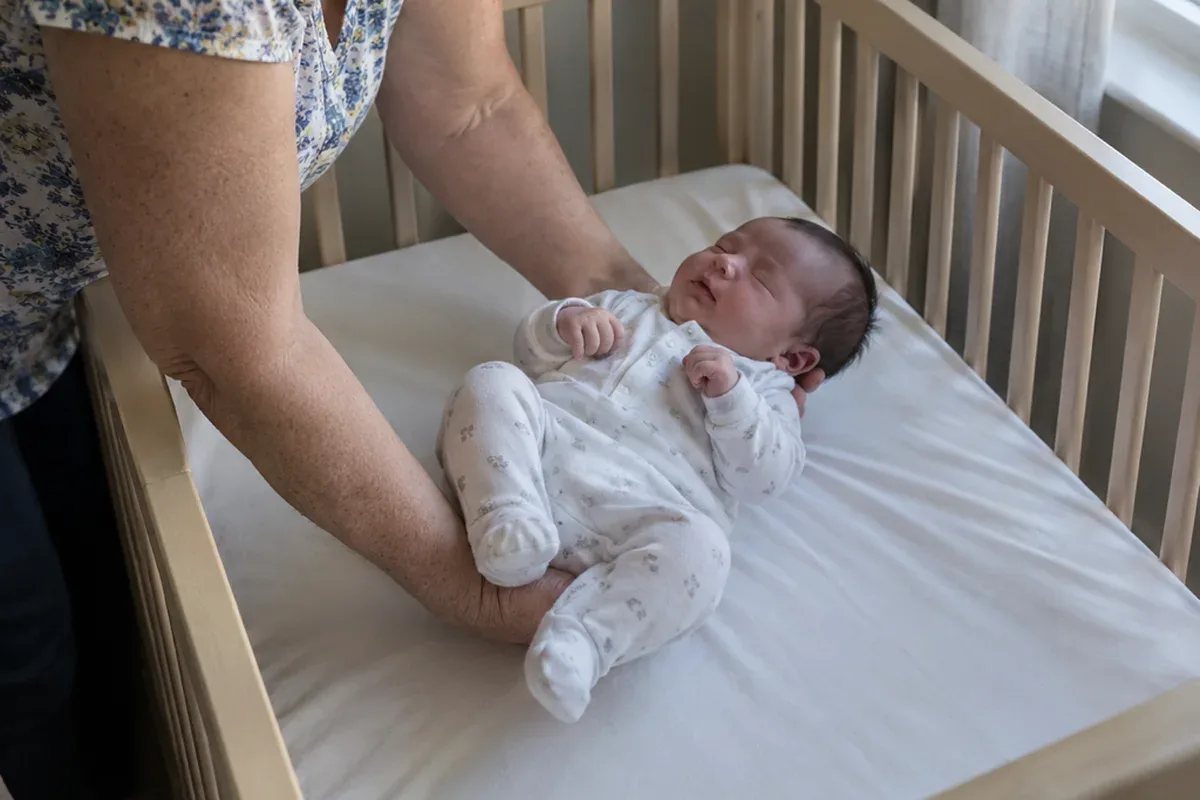
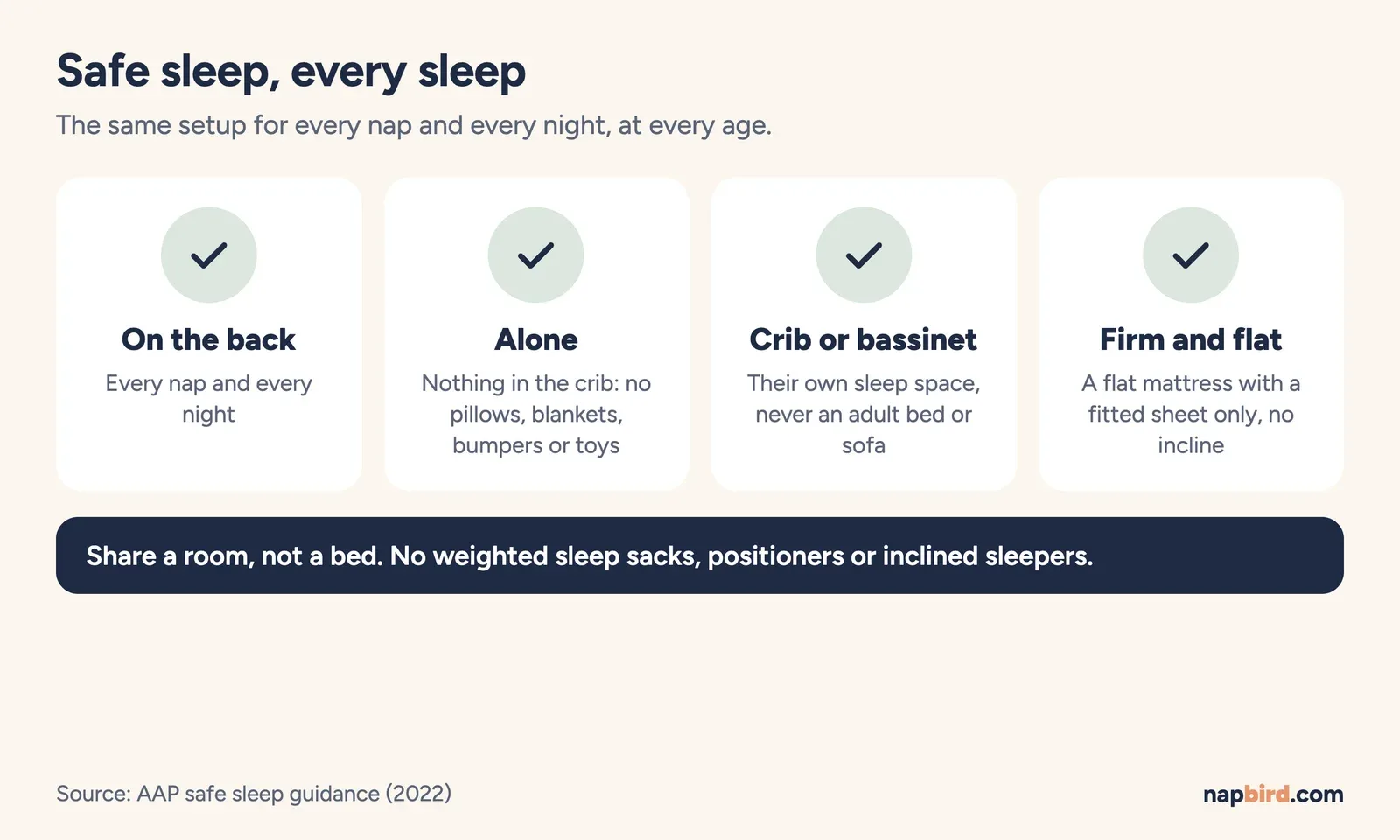
These are the AAP safe sleep basics:
- Back to sleep for every nap and every night.
- A firm, flat crib or bassinet mattress with a fitted sheet.
- Nothing else in the sleep space: no blankets, pillows, bumpers, toys or positioners.
- Room sharing, not bed sharing. If you might fall asleep while feeding, put your baby in their own space first.
For fever, pauses in breathing, blue or gray lips, difficulty waking, or unusual sleepiness with poor feeding, call your pediatrician, or emergency services if it feels urgent.
A guide, not medical advice.
3 week old wake windows are still 30 min to 1 hour, counted from the first wake, feeding doze included. Keep one short wind-down that anyone can repeat, and settle at the first glassy stare. Use the calculator above for the next sleep, or get a nap plan to keep the timing current as the weeks go by.
Frequently asked questions
About 30 to 60 minutes, which is the Cleveland Clinic newborn band. Feeding, changing and settling all belong in that stretch, so look for fading attention as you get close.
Notice whether your baby truly slept or only paused feeding. A brief doze does not restart a full awake period, so if attention is fading, keep heading toward sleep.
Not much. The newborn range of 30 minutes to an hour still works at 4 weeks, and feeding and early cues matter more than adding minutes because a week has passed.
Feeding leads the routine in these early weeks. Keep responding to hunger and follow your care team's feeding plan, and include the last feed in any handover.
A familiar way to settle helps more than a fixed bedtime. Repeat the same few quiet steps whenever sleep is near, and let the time float with the day.
Not necessarily. Many babies are fussier in the evening; start with feeding, comfort and a calm room, and let someone help with the practical jobs.
Share article
About the author
Founder and editor
Oleh Onysko founded Napbird and builds the wake window calculator. He edits every guide against the pediatric sources cited on each page. He is not a doctor or a sleep consultant, so Napbird is a guide, not medical advice.
More baby sleep guides
Wake windows & schedules · 10 min
10 Month Old Wake Windows: 3 to 6 Hours + Sample Day
10 month old wake windows widen to 3 to 6 hours, yet the sample two-nap day stays close to 3 hours per stretch. Here is how to use the wider range without overtiring a cruising baby, plus cues, a wind-down and safe sleep basics.

Wake windows & schedules · 10 min
11 Month Old Wake Windows: 3 to 6 Hours + 2 Nap Schedule
11 month old wake windows are 3 to 6 hours, usually with two naps. The last window before bed is the longest, so bedtime trouble often starts with when the afternoon nap ended. Sample day, cues, daycare tips and safe sleep inside.

Wake windows & schedules · 10 min
12 Month Old Wake Windows: 3 to 6 Hours + Nap Guide
12 month old wake windows are 3 to 6 hours, and most first birthdays still come with two naps. The total sleep guidance changes at one year; the nap count does not have to. A cue-led day, sleepy cues and signs of the slow move toward one nap.

Wake windows & schedules · 11 min
1 Month Old Wake Windows: 1 to 2 Hours + Sample Day
1 month old wake windows are 1 to 2 hours, and the first window of the morning is usually the shortest one. See a sample 4 nap day from 7:00 am, the early sleepy cues and what to do when the day goes off plan.
Wake windows & schedules · 11 min
2 Month Old Wake Windows: 1 to 2 Hours + Nap Schedule
2 month old wake windows are 1 to 2 hours, and a smiling, chatty baby can still be at the end of one. See a sample 4 nap day, the sleepy cues that show up mid play and what to do when naps run short.

Wake windows & schedules · 12 min
3 Month Old Wake Windows: 1h 15m to 2h 30m + 4 Nap Day
3 month old wake windows run 1 hr 15 min to 2 hr 30 min, and the clock starts at the wake, not after the feed. Here is the 4 nap sample day, the early cues to watch and what to do when a nap runs short.